

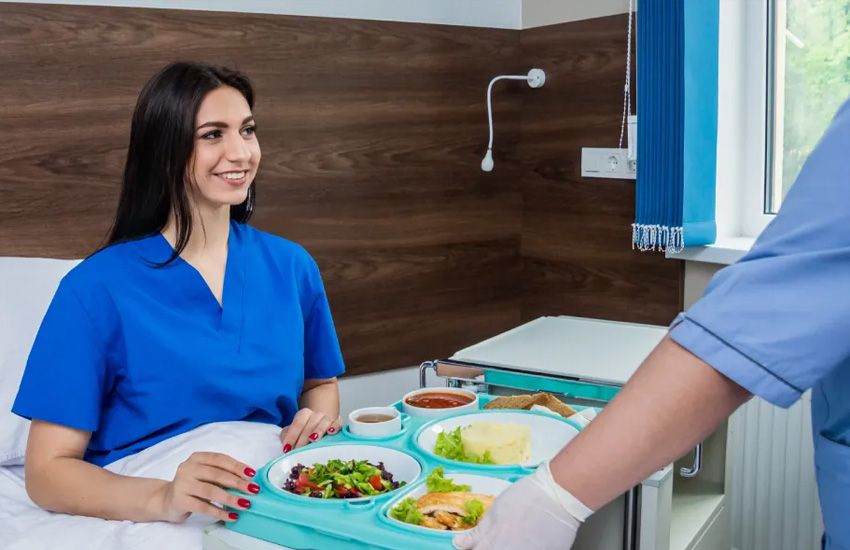
Hospital catering is far more than just providing food—it plays a pivotal role in the healing process, offering patients nutrition that supports their recovery journey. Properly prepared and tailored meals can aid in faster recuperation, reduce the risk of complications, and significantly improve patient satisfaction. With today’s emphasis on healthcare quality, hospital catering services have evolved from standardized food trays to personalized dietary care.
Each patient in a hospital may have different medical conditions that demand specific dietary requirements. Whether it’s a diabetic, cardiac, renal, or post-operative patient, the food provided must meet strict nutritional standards while remaining palatable. This makes hospital catering a unique blend of culinary expertise and clinical knowledge.
Moreover, emotional well-being is deeply tied to eating. A warm, appealing meal can be comforting and contribute positively to a patient’s morale. Modern hospital catering teams work closely with dietitians and medical professionals to ensure that meals are not only safe and nutritious but also appealing in taste and presentation.
Hospitals today also focus on sustainability and hygiene in their catering operations. Using fresh, local ingredients, reducing food waste, and maintaining strict sanitation protocols are now central to any quality hospital catering service.
Tailored Nutrition, Specialized Menus, and Professional Service in Hospital Catering
What sets great hospital catering apart is its focus on personalized nutrition. Menus are designed not just for taste, but for specific health outcomes. A patient with hypertension may receive low-sodium meals, while someone recovering from surgery may be given high-protein options to help tissue repair. This level of customization is made possible by experienced dietitians and trained kitchen staff who understand the link between diet and health.
Hospital catering teams typically offer several meal choices to accommodate patient preferences, allergies, and religious or cultural requirements. Meals are often prepared in dedicated on-site kitchens equipped with modern facilities to ensure food safety and quick delivery. Additionally, patients with feeding difficulties or special needs receive modified-texture diets or assistance from trained support staff.
In larger hospitals, catering services extend beyond patients to include staff meals and visitor cafeterias. This requires efficient planning, seamless logistics, and a constant supply of fresh ingredients. Quality control checks are conducted at every stage—from storage and preparation to final delivery—to ensure food safety and consistency.
The professionalism of hospital catering staff also plays a significant role. Their sensitivity, punctuality, and understanding of patient conditions make them an integral part of the caregiving team. Many hospitals also conduct regular feedback surveys to improve their catering services based on patient experience.
